

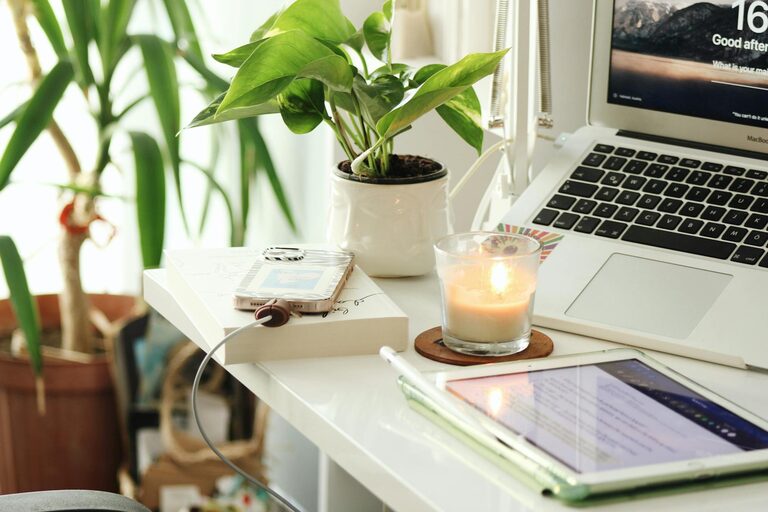
Creating a home office that balances productivity and comfort is essential for anyone working from home. Whether you’re a remote employee, freelancer, or small business owner, setting up a dedicated workspace can help you stay focused and maintain a healthy work-life balance. In this post, we’ll explore effective tips for designing a home office that encourages productivity while keeping comfort a top priority.
Choose the Right Location
The first step in creating your home office is finding the ideal spot. Consider these factors when selecting a location:
– Quiet environment: Pick a room or corner away from noisy areas like the kitchen or living room.
– Natural light: Sitting near a window boosts mood and reduces eye strain.
– Space: Ensure enough room for your desk, chair, and storage without feeling cramped.
– Low distractions: Avoid places with high foot traffic or where family members gather frequently.
If you don’t have a spare room, even a well-organized nook can work as long as you can stay focused.
Invest in an Ergonomic Chair and Desk
Comfort plays a major role in productivity. Spending hours on a chair that doesn’t support your body can cause discomfort or even pain.
– Ergonomic chair: Look for adjustable chairs with lumbar support to maintain good posture.
– Desk height: Your desk should allow your arms to rest naturally with elbows at about 90 degrees.
– Standing desks: Consider a sit-stand desk to alternate positions and promote better circulation.
Proper seating and desk setup prevent fatigue and help you stay focused for longer periods.
Organize Your Workspace Effectively
A cluttered desk can distract you from tasks and increase stress. Keeping your workspace organized helps promote a clear mind.
– Declutter daily: Spend a few minutes tidying your desk at the start or end of each day.
– Use storage solutions: Shelves, drawers, and file holders keep supplies and documents organized.
– Cable management: Use clips or cable sleeves to prevent cords from tangling.
– Minimal decorations: Personalize your space sparingly to maintain focus.
An organized space encourages productivity and reduces unnecessary distractions.
Optimize Lighting for Comfort and Efficiency
Poor lighting can cause headaches and eye strain. To create a comfortable workspace, pay close attention to lighting.
– Maximize natural light: Position your desk close to windows without glare on screens.
– Use task lighting: Adjustable desk lamps help focus light where needed.
– Avoid harsh overhead lights: Soft, warm bulbs reduce eye fatigue.
– Screen brightness: Adjust your monitor settings to match ambient light.
Good lighting improves comfort and makes it easier to concentrate on your work.
Minimize Noise and Distractions
Noise can quickly break your concentration. Use strategies to reduce sound interruptions in your home office.
– Noise-canceling headphones: These can block background noise or let you listen to focus music.
– Soundproofing: Add rugs, curtains, or acoustic panels to reduce echo.
– Set boundaries: Communicate your work hours to family members to limit interruptions.
Creating a quiet environment supports better concentration and productivity.
Personalize Your Space Mindfully
Adding personal touches can make your office more inviting and motivating, but keep it balanced.
– Inspiring artwork: Choose prints or photos that uplift your mood.
– Plants: Indoor plants improve air quality and add a touch of nature.
– Comfort items: Have a cozy blanket or small cushions for comfort breaks.
A thoughtfully personalized space can boost enjoyment and creativity without causing distractions.
Maintain Good Air Quality and Temperature
Physical comfort affects work quality, so ensure your home office has a pleasant atmosphere.
– Ventilation: Open windows or use air purifiers for fresh air.
– Temperature control: Use fans, heaters, or humidifiers to maintain a comfortable temperature.
– Avoid allergens: Regularly clean dust and avoid strong fragrances that may cause irritation.
Proper air quality and temperature help you stay alert and comfortable during the workday.
Set a Routine and Take Breaks
Even the best workspace can only do so much if your habits don’t support productivity.
– Establish work hours: Set consistent starting and ending times for your day.
– Schedule breaks: Short breaks prevent burnout and improve focus.
– Move around: Stand, stretch, or walk during breaks to promote circulation.
A routine combined with a well-designed space maximizes both productivity and well-being.
—
By paying attention to location, furniture, organization, lighting, and comfort, you can create a home office that supports your work goals and personal well-being. Small adjustments can make a big difference in how enjoyable and productive your work-from-home experience becomes. Start with these tips to build a space where focus and comfort go hand in hand.