

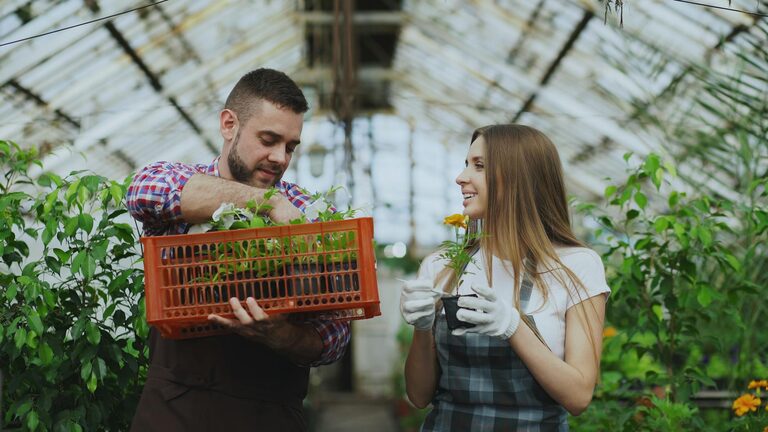
Creating and maintaining a sustainable home garden throughout the year is a rewarding and environmentally friendly way to enjoy fresh produce, flowers, and greenery. A sustainable garden supports biodiversity, conserves resources, and promotes healthy soil and plants. Whether you’re a beginner or experienced gardener, these practical tips will help you nurture a vibrant garden that thrives in every season.
Why Choose Sustainable Gardening?
Sustainable gardening focuses on using natural processes and eco-friendly methods to reduce waste, save water, and minimize chemical use. This approach benefits both your garden and the environment by promoting healthy ecosystems and reducing your carbon footprint.
Some core principles include:
– Conserving water with efficient irrigation
– Using organic compost for soil health
– Choosing native or well-adapted plants
– Encouraging beneficial insects
– Reducing plastic and chemical inputs
By gardening sustainably, you create a balanced, resilient space that requires less energy and resources while providing year-round enjoyment.
Planning Your Year-Round Sustainable Garden
Good planning is essential for a garden that flourishes throughout the year. Here are some steps to get started:
1. Choose the Right Location
Select a spot with adequate sunlight that suits the plants you want to grow. Most vegetables and flowers need 6–8 hours of sunlight daily. Consider wind protection and drainage as well.
2. Use Raised Beds or Containers
Raised beds and containers improve soil drainage and make it easier to control soil quality. This helps reduce erosion and promotes healthier plants.
3. Select Seasonal and Native Plants
Plan your garden to include a mix of plants that grow well in your climate during different seasons. Native plants are particularly valuable because they require less water and chemicals and support local wildlife.
4. Create a Crop Rotation Schedule
Rotating crops each season prevents soil depletion and reduces pests. For example, follow nitrogen-consuming plants with nitrogen-fixing legumes to keep the soil balanced.
Soil Health and Composting
Healthy soil is the foundation of any sustainable garden.
1. Test and Improve Your Soil
Start by testing your soil’s pH and nutrient levels. Add organic matter like compost or well-rotted manure to enrich the soil and improve its texture.
2. Compost Your Kitchen and Garden Waste
Composting reduces landfill waste and recycles nutrients back into your garden. Use kitchen scraps, garden cuttings, and dry leaves to create rich compost.
3. Mulch Regularly
Mulching with straw, leaves, or wood chips helps retain soil moisture, suppress weeds, and gradually improve soil quality as it breaks down.
Water Conservation Tips
Water is a precious resource, so efficient use is key.
1. Water Early or Late in the Day
Watering during cooler times reduces evaporation, ensuring more water reaches the roots.
2. Use Drip Irrigation or Soaker Hoses
These systems deliver water directly to plant roots and minimize waste.
3. Collect Rainwater
Set up rain barrels to collect natural rainfall for watering your garden.
4. Choose Drought-Tolerant Plants
Incorporate plants adapted to your climate’s moisture levels to reduce watering needs.
Year-Round Garden Care
Each season requires specific care to keep your garden productive and healthy.
Spring
– Prepare garden beds by adding compost and turning soil.
– Plant cool-season crops like lettuce, peas, and carrots.
– Start seeds indoors for warmer season plants.
– Prune damaged branches from trees and shrubs.
Summer
– Mulch heavily to conserve water and control weeds.
– Harvest crops regularly to encourage continued production.
– Watch for pests and use natural pest control methods.
– Water deeply but less frequently to promote strong roots.
Fall
– Plant cover crops like clover to protect and enrich soil over winter.
– Collect fallen leaves for mulch or compost.
– Divide and transplant perennials.
– Clean up dead plant material to prevent disease.
Winter
– Protect sensitive plants with mulch or covers.
– Plan next year’s garden and order seeds.
– Maintain garden tools and structures.
– Enjoy winter interest plants like evergreens and berries.
Encouraging Wildlife and Biodiversity
Adding plants that attract pollinators and beneficial insects supports natural pest control and pollination.
– Include flowering annuals and perennials throughout the growing seasons.
– Leave some natural, undisturbed spaces for insects and small animals.
– Avoid pesticides that harm non-target species.
Sustainable Garden Tools and Practices
– Use hand tools to reduce energy usage.
– Choose durable, repairable gardening tools.
– Reuse containers and materials where possible.
– Avoid plastic pots and synthetic fabrics, opting for natural alternatives.
Final Thoughts
Creating a sustainable home garden takes a little planning and ongoing care, but the benefits far outweigh the effort. By focusing on soil health, water conservation, seasonal planting, and nurturing biodiversity, you’ll enjoy a garden that’s beautiful, productive, and kind to the planet year-round. Whether growing food or flowers, sustainable gardening connects you with nature in a positive way and provides endless satisfaction.
Happy gardening!